Enhancing Your Designs with the Lollipop Icon: A Practical Guide
The Lollipop Icon is a simple yet versatile symbol that can add a touch of whimsy and clarity to your designs. Whether you're working on a website, infographic, or any other visual project, this icon can be a valuable addition. This article will help you understand what the Lollipop Icon is, why it's useful, and how to avoid common mistakes when using it.
What is the Lollipop Icon?
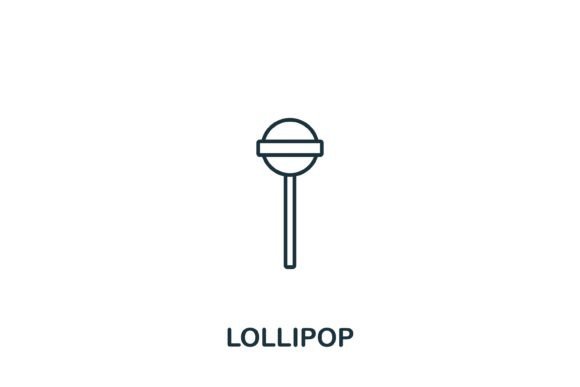
The Lollipop Icon is a minimalist, line-based graphic that represents a lollipop. It's designed to be clean and easy to recognize, making it perfect for various design applications. The icon typically comes in several file formats, including EPS, JPG, AI, and SVG, which makes it highly adaptable for different projects.
Why Use the Lollipop Icon?
The Lollipop Icon is not just a cute image; it's a powerful tool for communication and design. Here are a few reasons why you might consider using it:
- Visual Appeal: Its simple, clean lines make it visually appealing and easy to integrate into any design.
- Versatility: It can be used in a wide range of contexts, from children's websites to more playful, creative designs.
- Ease of Use: The icon is provided in multiple file formats, making it easy to edit and use in various design software.
Avoiding Common Mistakes with the Lollipop Icon
While the Lollipop Icon is a great design element, there are some common mistakes that can affect its effectiveness and usability. Let's explore these pitfalls and how to avoid them.
Mistake 1: Overusing the Icon
One of the most common mistakes is overusing the Lollipop Icon. While it's a charming and versatile symbol, too much of a good thing can dilute its impact. For example, if you use it excessively on a single page, it can become distracting and lose its charm.
Better Approach: Use the Lollipop Icon strategically. Consider where it will have the most impact and limit its use to those key areas. This way, it retains its appeal and enhances the overall design without overwhelming the viewer.
Mistake 2: Ignoring File Formats
Another mistake is not considering the appropriate file format for your specific needs. Each format (EPS, JPG, AI, SVG) has its own strengths and weaknesses. For instance, using a raster format like JPG for a scalable design can result in poor quality when resized.
Better Approach: Choose the right file format based on your project requirements. For web design, SVG is ideal as it scales well and maintains quality at any size. For print, vector formats like EPS and AI are preferable for high-quality, resolution-independent graphics.
Mistake 3: Not Customizing the Icon
The Lollipop Icon is designed to be editable, but many users overlook this feature. Failing to customize the icon to fit your brand or design can make it feel generic and less impactful.
Better Approach: Take advantage of the editable nature of the Lollipop Icon. Customize the colors, size, and style to match your brand and design aesthetic. This personalization can make the icon feel more integrated and enhance the overall design coherence.
Mistake 4: Neglecting Accessibility
Accessibility is a crucial aspect of design, and neglecting it can lead to a poor user experience. The Lollipop Icon, while simple, should still be designed with accessibility in mind. For example, ensuring sufficient color contrast and providing alternative text for screen readers is essential.
Better Approach: Make sure the Lollipop Icon is accessible. Use high-contrast colors and provide alt text for the icon. This not only helps users with visual impairments but also improves the overall user experience and SEO.
Final Checks Before Using the Lollipop Icon
Before you incorporate the Lollipop Icon into your design, here are a few final checks to ensure you're using it effectively:
- File Format: Confirm that you're using the correct file format for your project.
- Customization: Ensure the icon is customized to fit your brand and design.
- Accessibility: Check that the icon meets accessibility standards, including color contrast and alt text.
- Placement: Verify that the icon is placed strategically and not overused.
By following these guidelines, you can make the most of the Lollipop Icon and create designs that are both visually appealing and functional. Happy designing!